
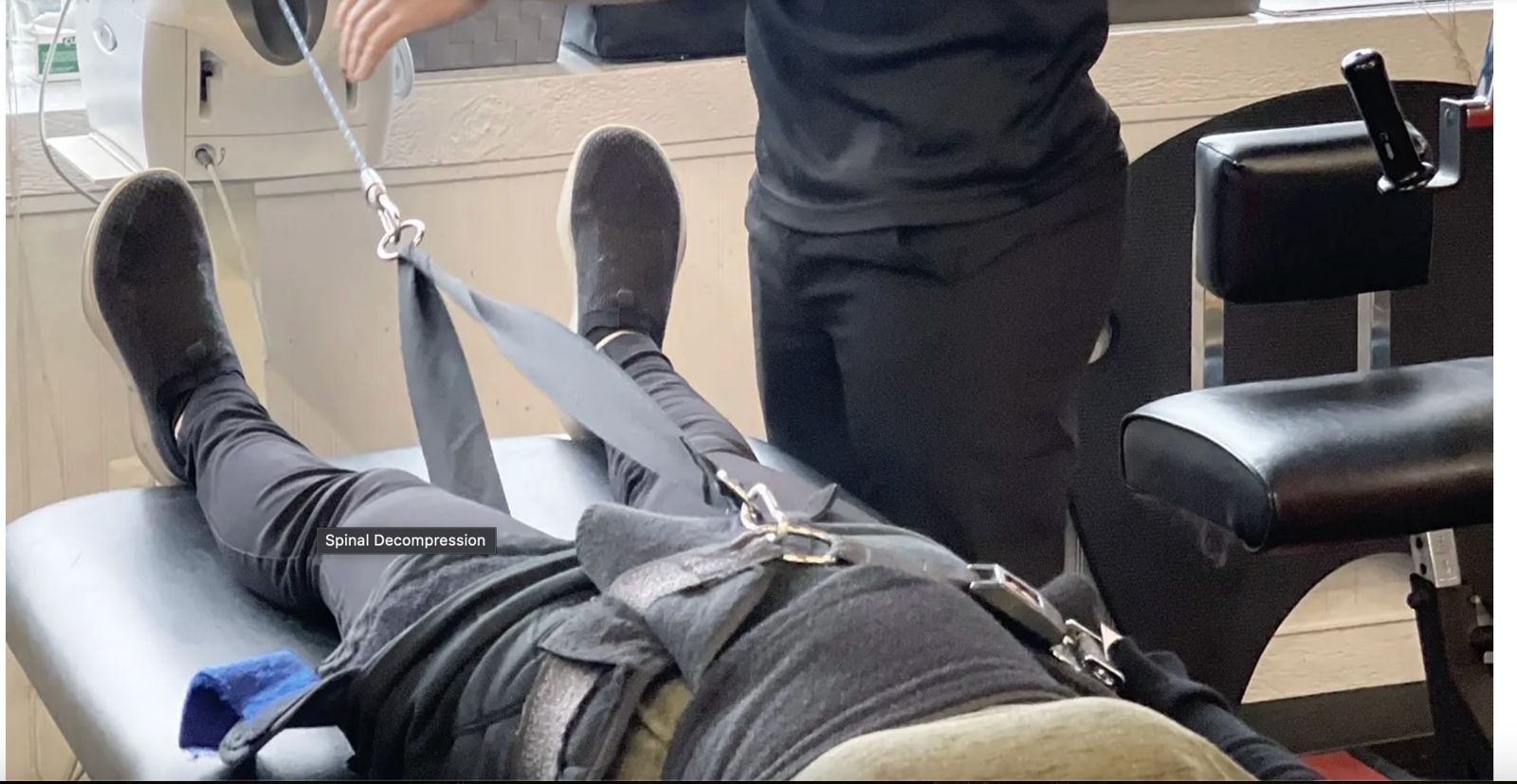
As cases of back pain, neck strain and posture-related complications continue to rise, health professionals are increasingly turning to body alignment, lumbar traction and spinal decompression therapies to help patients regain mobility and live pain-free lives.
Medical experts say modern lifestyles characterized by prolonged sitting, poor posture, excessive screen time and physically demanding work have contributed significantly to spinal health problems affecting people of all ages.
According to physiotherapists and spinal care specialists, body alignment focuses on correcting posture and restoring the natural positioning of the body's musculoskeletal system. Proper alignment helps reduce strain on muscles and joints, improves balance and can prevent chronic pain.
Many patients seeking treatment for persistent back and neck pain are found to have underlying posture and body mechanics issues that place excessive stress on the spine and surrounding muscles.
Health practitioners note that correcting body alignment can significantly improve comfort, movement and overall physical function while reducing the likelihood of recurring pain.
Another increasingly popular treatment is lumbar traction, a non-invasive therapy that gently stretches the lower spine. The technique is designed to reduce pressure on spinal discs and nerves, particularly among individuals suffering from conditions such as sciatica, herniated discs and chronic lower back pain.
During lumbar traction, specialized equipment applies controlled pulling forces to the lower back, creating space between vertebrae and helping relieve compression that may be responsible for pain and restricted movement.
Closely related is spinal decompression therapy, which uses advanced traction technology to target specific areas of the spine. The treatment aims to relieve pressure on compressed discs and nerves while promoting the movement of oxygen, water and nutrients to damaged spinal tissues.
Health experts say spinal decompression has shown promising results for patients experiencing chronic back pain, degenerative disc disease, bulging discs and certain forms of nerve-related discomfort.
Patients who have undergone the therapies often report reduced pain levels, improved flexibility and an enhanced quality of life. However, specialists caution that outcomes vary depending on the severity of the condition, overall health status and adherence to treatment recommendations.
They emphasize that while these therapies can provide significant relief, they should form part of a broader treatment plan that includes exercise, proper posture, weight management and professional medical assessment.
Healthcare providers are also encouraging the public to seek early intervention for persistent back pain rather than relying solely on pain medication to manage symptoms.
According to spinal health specialists, untreated back problems can gradually worsen and lead to long-term mobility challenges if underlying causes are not addressed.
"Back pain should not be ignored. Early diagnosis and appropriate treatment can prevent minor spinal issues from developing into long-term disabilities," health experts advise.
With non-surgical treatment options becoming more accessible, body alignment, lumbar traction and spinal decompression are increasingly being viewed as valuable tools in the management, treatment and prevention of spinal disorders.
As awareness of spinal health continues to grow, specialists hope more people will adopt preventive measures and seek professional care before minor discomfort develops into chronic pain.
